
Measure the foot, then read across — a 5-year-old is typically in a US 10C to 11C, a 8-year-old in a 1Y to 2Y. Age is the least reliable way to size a child’s shoe, because two children the same age routinely take three sizes apart. All you need is a sheet of paper, a wall and a ruler.
US kids shoe sizes run in three bands that each restart the numbering, which is why the system confuses everyone: toddler (C) runs to 13, then youth (Y) starts again at 1. A 13C and a 1Y are one half-size apart, not twelve sizes apart.
What size shoe for a 1, 2, 3, 4, 5, 6, 7, 8, 9, 10, 11 or 12 year old?
Typical sizes by age — use as a starting point, then confirm by measuring.
| Age | Typical US size |
|---|---|
| 1 years | 4C–5C |
| 2 years | 6C–7C |
| 3 years | 8C–9C |
| 4 years | 9.5C–10.5C |
| 5 years | 10C–11C |
| 6 years | 12C–13C |
| 7 years | 13C–1Y |
| 8 years | 1Y–2Y |
| 9 years | 2Y–3Y |
| 10 years | 3Y–4Y |
| 11 years | 4Y–5Y |
| 12 years | 5Y–6Y |
Toddler shoe size chart (ages 1–3)
Toddler sizes carry a C and run from about 4C to 9.5C. Feet grow fastest here — expect to re-measure every three to four months, and to buy two to three times a year.
A current toddler sneaker in the C size range:


| US size | Foot length | cm | UK | EU |
|---|---|---|---|---|
| 4.5C | 4⅞” | 12.3 | 4 | 20 |
| 5C | 5″ | 12.7 | 4.5 | 20.5 |
| 5.5C | 5⅛” | 13.0 | 5 | 21 |
| 6C | 5¼” | 13.3 | 5.5 | 21.5 |
| 6.5C | 5½” | 13.8 | 6 | 22.5 |
| 7C | 5⅝” | 14.2 | 6.5 | 23 |
| 7.5C | 5¾” | 14.6 | 7 | 23.5 |
| 8C | 6″ | 15.0 | 7.5 | 24.5 |
| 8.5C | 6⅛” | 15.4 | 8 | 25 |
| 9C | 6¼” | 15.7 | 8.5 | 25.5 |
| 9.5C | 6⅜” | 16.0 | 9 | 26 |
Little kid shoe size chart (ages 4–6)
Little kid sizes run 10C to 13.5C. This is where the numbering runs out and restarts, so 13.5C is followed by 1Y, not 14.
| US size | Foot length | cm | UK | EU |
|---|---|---|---|---|
| 10C | 6⅝” | 16.6 | 9.5 | 27 |
| 10.5C | 6¾” | 16.9 | 10 | 27.5 |
| 11C | 6⅞” | 17.3 | 10.5 | 28 |
| 11.5C | 7″ | 17.6 | 11 | 28.5 |
| 12C | 7⅛” | 17.9 | 11.5 | 29 |
| 12.5C | 7¼” | 18.5 | 12 | 30 |
| 13C | 7⅜” | 18.8 | 12.5 | 30.5 |
| 13.5C | 7½” | 19.2 | 13 | 31 |
Youth / big kid shoe size chart (ages 7–12)
Youth sizes carry a Y and start again at 1Y. By this age most children need re-measuring twice a year rather than four times.
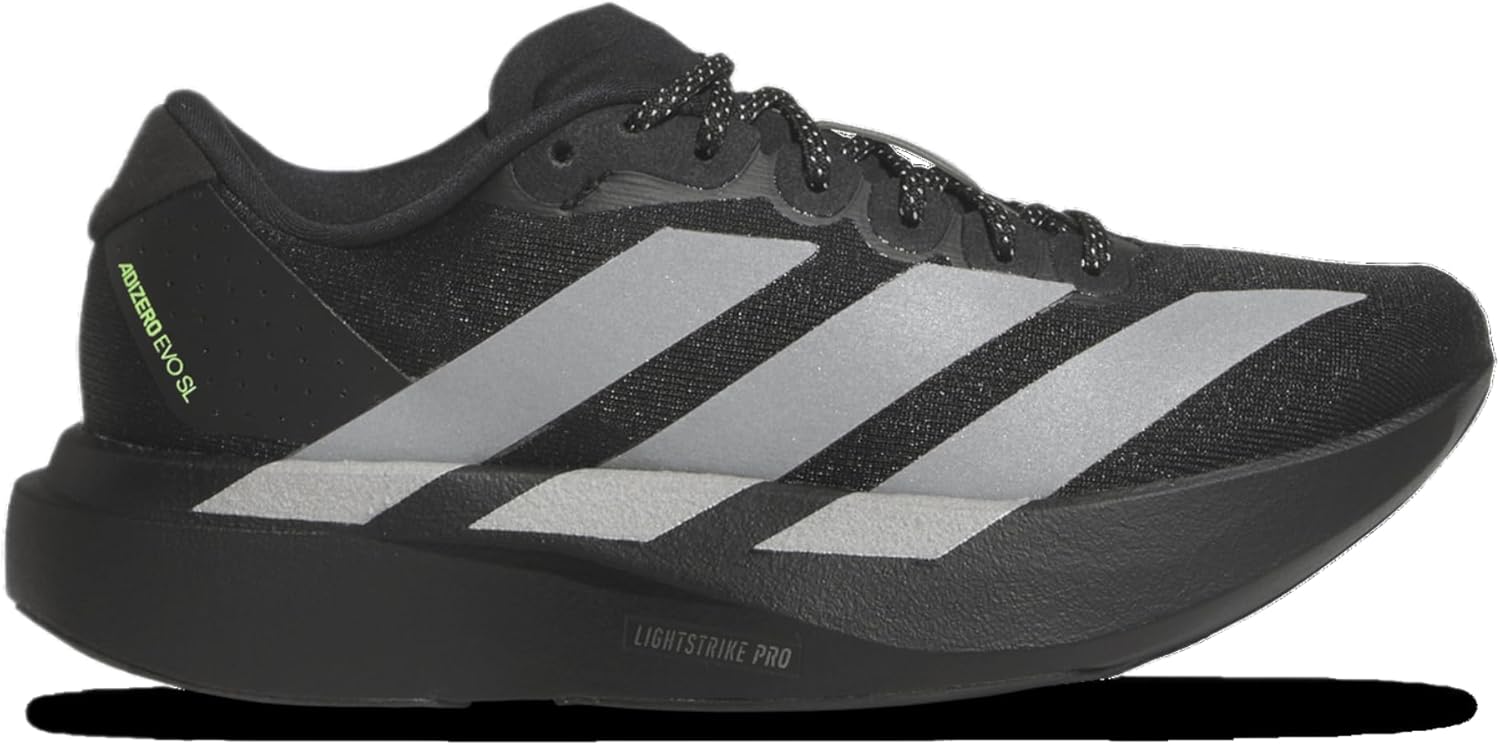
A current youth (Y) running shoe:
| US size | Foot length | cm | UK | EU |
|---|---|---|---|---|
| 1Y | 7⅝” | 19.5 | 13.5 | 31.5 |
| 1.5Y | 7⅞” | 20.0 | 1 | 32.5 |
| 2Y | 8″ | 20.4 | 1.5 | 33 |
| 2.5Y | 8¼” | 21.0 | 2 | 34 |
| 3Y | 8⅜” | 21.3 | 2.5 | 34.5 |
| 3.5Y | 8½” | 21.7 | 3 | 35 |
| 4Y | 8⅝” | 22.0 | 3.5 | 35.5 |
| 4.5Y | 8⅞” | 22.6 | 4 | 36.5 |
| 5Y | 9″ | 23.0 | 4.5 | 37 |
| 5.5Y | 9¼” | 23.6 | 5 | 38 |
| 6Y | 9¾” | 24.7 | 5.5 | 39 |
Youth to women’s and men’s shoe size conversion
A 7Y converts to roughly a women’s 8.5, or a men’s 7. Youth sizes and men’s sizes share the same scale, so the number stays the same — the difference is width, with youth lasts cut slightly narrower.
For women’s, two rules circulate and they do not agree: some sources say add 1.5, others say add 2. Checked against actual foot lengths, add 1.5 is the closer match — a 7Y measures about 9¾ inches, which lines up with a women’s 8.5 rather than a 9. Add 2 usually leaves you half a size large.
| Youth size | Women’s (US) | Men’s (US) |
|---|---|---|
| 3.5Y | 5 | 3.5 |
| 4Y | 5.5 | 4 |
| 4.5Y | 6 | 4.5 |
| 5Y | 6.5 | 5 |
| 5.5Y | 7 | 5.5 |
| 6Y | 7.5 | 6 |
| 6.5Y | 8 | 6.5 |
| 7Y | 8.5 | 7 |
This matters financially: the same model in youth sizing is often noticeably cheaper than the adult version. If your teenager’s foot is a women’s 8.5 or smaller, a 7Y is worth checking first.
Baby shoe sizes (0–12 months)
Baby sizing is the least standardised part of the whole system, and pre-walking babies do not need structured shoes at all — soft booties or bare feet are better for developing foot muscles. As a rough guide, a newborn to 3 months is around a US 0–1 (roughly 3¼ inches), and by 9–12 months most are around a US 3–4 (roughly 4½–4¾ inches). Measure rather than assume; the variation between brands at this end is wider than anywhere else on the chart.
Kids sock sizes follow shoe sizes
Sock sizing is not a separate system — it is banded off the shoe size. Most brands group them as: shoe size 4C–7C sold as sock size 12–24 months, 8C–13C as the small band, 1Y–5Y as medium, and 5.5Y upward as large. If you know the shoe size from the charts above, you already have the sock size.
Two things worth knowing: socks that are too long bunch under the arch and cause blisters faster than socks that are slightly short, and a thick sport sock can take up most of the growing room in a shoe — so fit new shoes wearing the socks they will actually be worn with.
How to measure your child’s foot at home
Two minutes, in the afternoon. Feet swell through the day, so a morning measurement can come out a half-size small.
The actual device shoe stores use for this measurement:

- Tape a sheet of paper to the floor against a wall.
- Have your child stand on it — weight on the foot spreads it, and a seated measurement reads short — with the heel touching the wall.
- Mark the paper at the tip of the longest toe. That is not always the big toe.
- Measure from the wall edge of the paper to the mark, in inches or cm.
- Measure both feet and use the larger. Most people have one foot bigger than the other.
- Add about ½ inch (1.3 cm) of growing room, then read the chart.
The thumb test, once the shoe is on
With your child standing in the shoe, press down at the toe. There should be about a thumb’s width — roughly half an inch — between the longest toe and the end. Less than that and they will be out of them within weeks; much more and the foot slides forward, which causes the heel to rub.
How often do kids outgrow shoes?
- Ages 1–3: two to three sizes a year. Re-measure every 3–4 months.
- Ages 3–10: one to two sizes a year. Re-measure every 4–6 months.
- Ages 10+: slows down, but growth spurts can take a full size at once. Re-measure twice a year.
Why the same size fits differently between brands
Comparing published charts from different retailers, the same labelled size varies by roughly ⅛ of an inch — one source puts a 10C at 6½ inches, another at 6⅝. That sounds trivial and is not: half a size is about a sixth of an inch at this end of the scale. Always check the specific brand’s own chart against your measurement rather than trusting the size number alone, and be especially careful buying a brand for the first time.
Sources and verification
Conversion figures above are compiled from published children’s footwear sizing charts and cross-checked between sources; where they disagreed, the discrepancy is noted in the text rather than smoothed over. Fit guidance on growing room and standing measurement follows standard paediatric footwear advice. US children’s shoe sizing is not governed by a single standard — check the individual brand’s own chart before ordering.
Last verified: 6 August 2026. Spotted a number that looks wrong? Tell us — corrections get the chart re-checked and re-dated.
More charts: every kids size chart in one place.